




Electrical work is essential to ensure safety, functionality and comfort in any home.
Whether you are facing a power outage, planning electrical installation work, or considering bringing your wiring up to standard, a professional electrician is the key partner for reliable services that comply with regulations.
In this article, we cover every aspect of electrical work: prices including VAT, types of interventions, tips for choosing a qualified tradesperson, and tricks to optimize your budget while enjoying a quality service.
Why call an electrician?
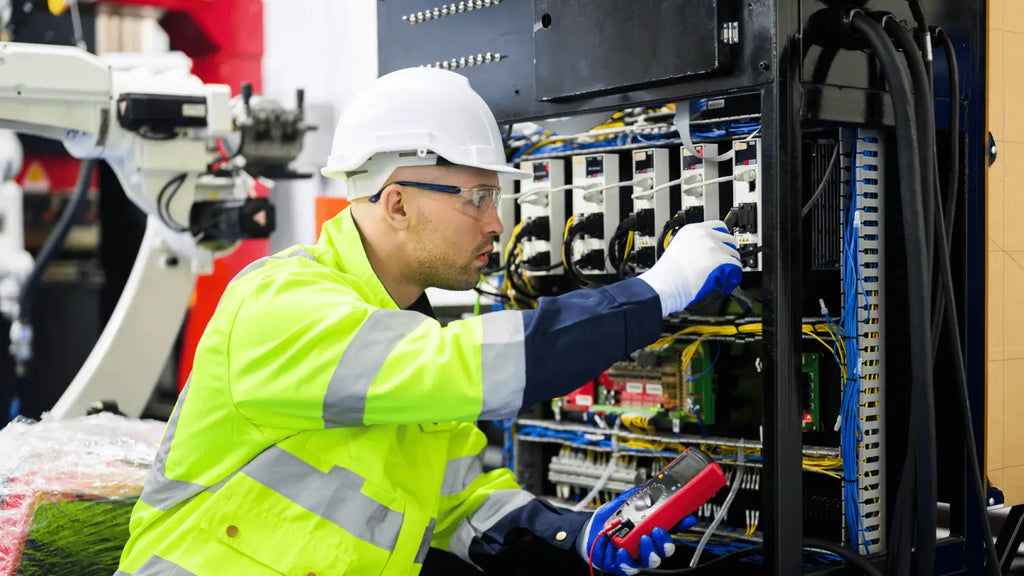
The main reasons for an electrical intervention
A high-performing electrical system that meets the standards is essential to avoid electrical problems, ensure the safety of the occupants and optimize energy consumption. Here are the main situations requiring an intervention:
- Electrical troubleshooting: In the event of a partial or total outage, an electrician quickly identifies the cause of the problem, whether it is a short circuit, a blown fuse or a faulty appliance.
- Electrical compliance upgrades: Older installations must be brought back into compliance with the NF C 15-100 standard, in particular to reduce the risks of electrical hazards and fire.
- Installation work: Fitting new electrical outlets, an electrical panel or even an electric water heater requires an expert.
Common interventions carried out by an electrician
Here are a few examples of common services performed by tradespeople:
- Installation or replacement of switches and electrical outlets (surface-mounted or flush-mounted).
- Installation of electric radiators or other heating appliances.
- Repair and optimization of circuits in new or renovated homes.
- Electrical diagnostics to locate faults and avoid recurring outages.
Although sometimes costly, this work ensures that your equipment runs properly and increases the value of your home.
Prices and rates for electrical work
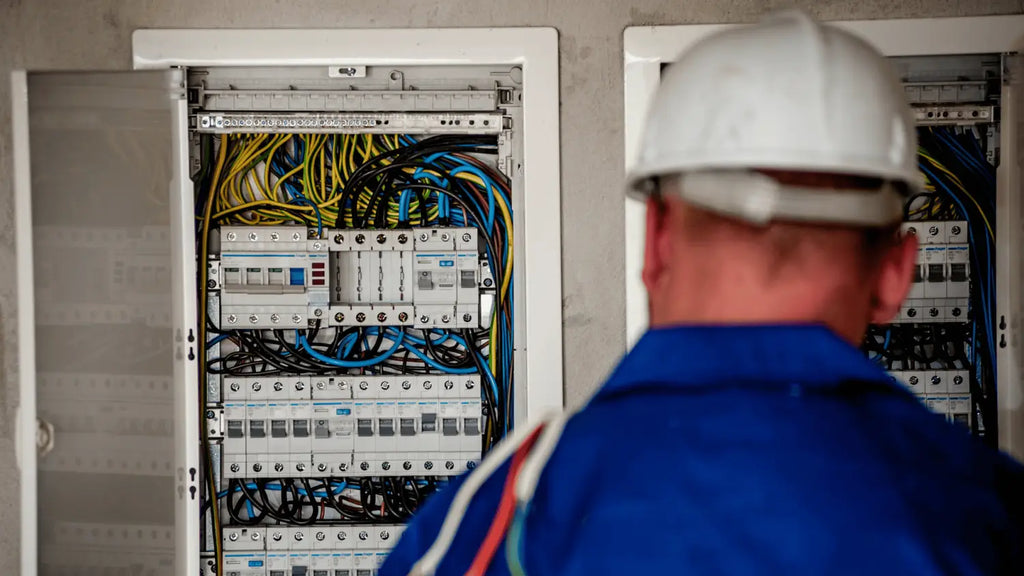
Average rates for interventions in 2026
Prices including VAT for an electrical intervention vary according to several factors: the nature of the work, the materials to be supplied, the time required and the region. Here is an estimate of average rates:
- Installing an electrical outlet : between €50 and €300, supply and installation included.
- Replacing an electrical panel: from €500, depending on the size and specifics of the panel.
- Electrical troubleshooting: between €80 and €150, with a possible surcharge for an evening or Sunday call-out.
- Full diagnostic : around €100 to €250, depending on the extent of the checks.
These average rates often include the electrician's travel costs, but it is advisable to check that they are mentioned in the quote.
Factors affecting prices
Several elements affect the total cost:
- Complexity of the work: Simply repairing an outlet costs less than replacing an entire electrical line.
- Materials used: Products from well-known brands can increase the price, but guarantee better durability.
- Travel costs : A tradesperson may charge up to €50 including VAT depending on the distance traveled, particularly in Île-de-France.
Tip: Comparing several quotes helps you identify the best offer for your needs.
How an intervention unfolds: steps and tips
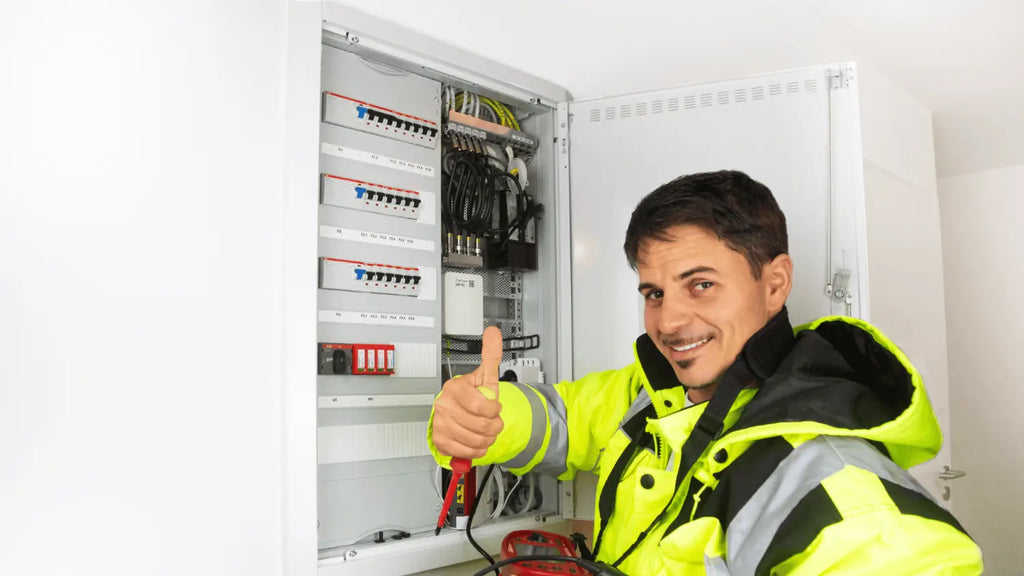
Key steps of an electrical intervention
- Initial contact and quote request : You can contact a local electrician or use platforms such as IZI by EDF and AlloTavaux.com. The tradesperson will draw up a precise quote detailing the work to be carried out and the associated costs.
- Diagnostic and assessment: On arrival, the electrician will carry out a full diagnostic to identify the origin of the outage or define the best installation method.
- Carrying out the work : Depending on the type of intervention (installation, replacement, repair), the tradesperson will take care of everything: supplying the parts, installing them and checking that they work.
- Completion and warranty : Once the work is finished, the professional guarantees that the equipment works properly and may offer a warranty on their services.
Warranties and compliance
Work carried out by a professional electrician must comply with the electrical standards in force to ensure safety and prevent any risk of failure. A detailed invoice, often required by insurers, must be given to the customer.
The area of intervention of an electrician
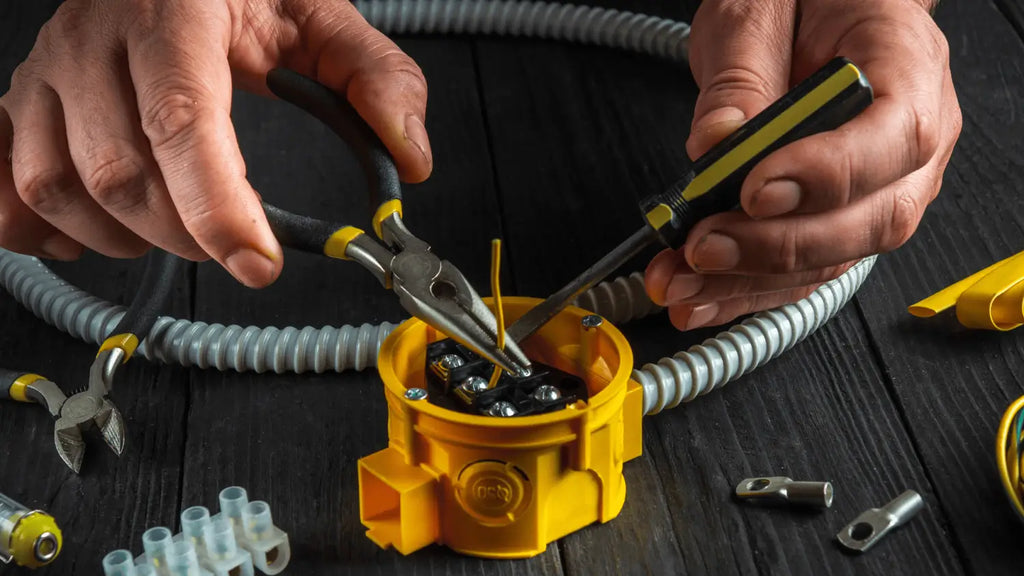
Distance and travel costs
A professional electrician generally works within a radius of 20 to 50 km around their workshop. This area can vary depending on geographic density and the professional's location.
In rural areas, the distances traveled are often greater, whereas in urban areas such as Paris, travel may be limited by traffic constraints and parking. These trips directly affect the total price of the intervention.
Travel costs are sometimes included in the overall fixed price, but it is important to check that they are mentioned on the quote. As a general rule, these costs range between €20 and €50 including VAT, but may be higher if the electrician has to travel outside their usual area.
For emergency interventions, such as a power cut, or during specific time slots (evenings, Sundays), surcharges may also apply.
Average travel costs include:
- A fixed base charge for the trip, often between €20 and €30 including VAT.
- A surcharge for additional kilometers, generally €1 to €2 per kilometer beyond the included zone.
- Costs related to parking in paid or hard-to-access areas, such as in certain neighborhoods of Île-de-France.
Specifics of urban and rural areas
In large cities such as Paris, an electrician's travel costs can climb because of:
- Time spent in traffic jams, which increases the total duration of the intervention.
- Difficulty parking near the work site, especially in dense residential areas.
- High parking costs, often included in the final invoice.
By contrast, in rural or remote areas, the average price of travel costs is often calculated based on the kilometers traveled, which can make interventions more expensive if the home is far from the electrician's starting point.
Choosing the right electrician: essential criteria

Accreditation and certifications
A good electrician must hold an electrical accreditation and, ideally, a quality label such as RGE (Reconnu Garant de l'Environnement). These certifications ensure compliance with safety rules and the use of proper methods.
Quotes and transparency
A detailed quote is a crucial element. It must include:
- The nature of the work (diagnostic, replacement, etc.).
- The costs of parts and supplies included.
- The hourly rate and travel costs.
Practical advice
Give preference to tradespeople close to your home to limit travel costs and ensure a quick intervention.
Optimizing your budget for electrical work

Grouping interventions
If you have several jobs to do, group them into a single intervention. For example, combine fitting an outlet with an electrical diagnostic to limit additional costs.
Investing in modern solutions
A tradesperson can offer you modern, energy-efficient equipment, such as:
- Smart outlets for a connected home.
- Low-consumption electric heating to reduce your bills.
Comparing offers
Do not hesitate to ask for several free quotes to identify the best offer for your specific needs.
A special case: the electrical emergency

In the event of a total power failure, a quick intervention is often necessary. Electricians offering an electrical emergency service generally arrive within hours of the call, even on Sundays or in the evening. However, these interventions often carry a surcharge because of their priority nature.
Conclusion: an investment in safety and comfort
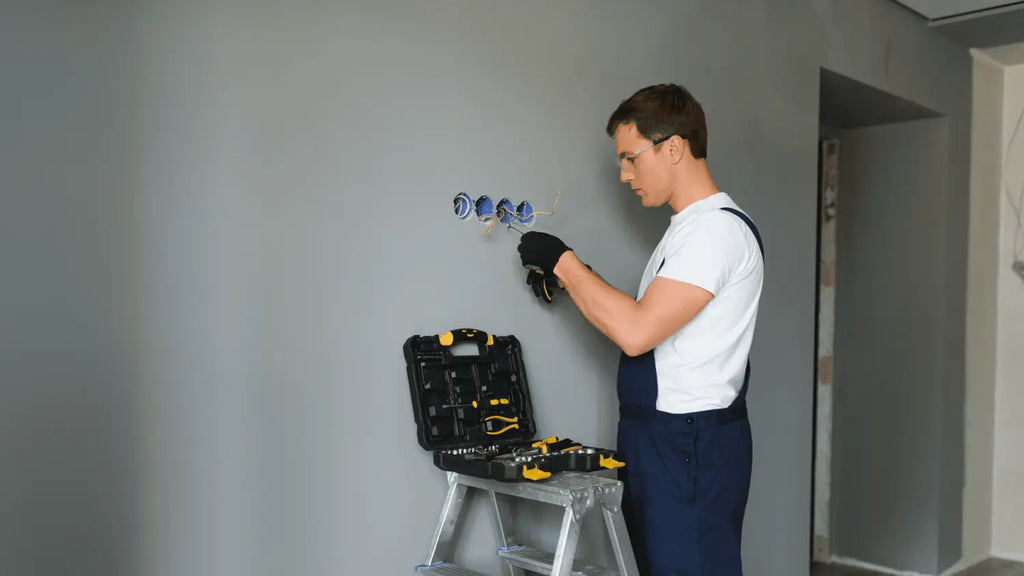
Electrical interventions, whether related to troubleshooting, a renovation or a new installation, are essential to ensure the safety and proper operation of your home.
By calling on a qualified electrician, comparing quotes and planning your work intelligently, you can keep costs under control while enjoying a quality service suited to your needs.
For a quick, reliable and efficient intervention, do not hesitate to contact a professional electrician near you.
Frequently asked questions:
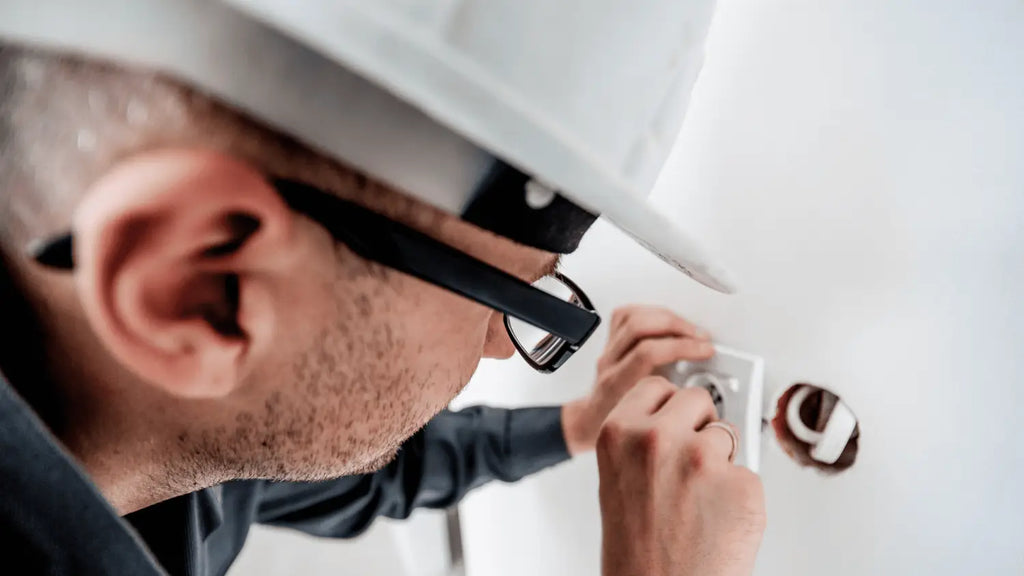
1. Does my electrical installation comply with current standards?
To ensure the safety of your home, your electrical installation must comply with the NF C 15-100 standards. These rules cover the essential elements, such as the electrical panel, the wiring and the electrical outlet.
A non-compliant installation can lead to electrical problems, such as frequent power cuts or fire risks. A professional electrician offers a full electrical diagnostic to establish the condition of your system.
In Île-de-France, the average price of a diagnostic ranges between €80 and €250 including VAT, supplies included if minor corrections are needed. It is advisable to ask for a detailed quote to identify the types of interventions to plan for.
2. When should I have an electrical diagnostic carried out?
An electrical diagnostic is essential to prevent the risks linked to an aging installation. It is recommended during electrical renovation work, after a prolonged power cut, or before selling an older home.
This check makes it possible to restore your electrical network by identifying faulty components, such as an electric radiator or a circuit breaker. An electrician's prices for this type of service average between €100 and €200 including VAT, depending on the complexity of the job and the travel costs.
3. What should I do in the event of a power failure?
A power failure can have several causes, such as a damaged electrical circuit, a faulty appliance or a tripping circuit breaker. In the event of a total outage, check whether the problem comes from your supplier, such as EDF. If the problem persists, contact a professional electrician.
For a quick intervention in Île-de-France, the hourly rate is between €80 and €150 including VAT, with a possible surcharge in the evening or on Sundays. These services generally include fault finding and restoration.
4. What is the difference between a fuse and a circuit breaker?
A fuse protects a circuit by cutting the current when an overload occurs. Unlike the circuit breaker, it must be replaced after use. The residual current circuit breaker, on the other hand, can be reset after the cause of the problem has been identified and corrected.
Both devices ensure the safety of the electrical network by reducing the risks of overheating or fire. The average price of replacing a fuse or a circuit breaker is between €50 and €200 including VAT, supplies included.
5. What are the risks of a non-compliant electrical installation?
A non-compliant installation presents major risks: frequent power cuts, danger of electrocution, or fire. For example, degraded wiring or the absence of earthing can lead to serious malfunctions.
During electrical renovation work, an electrician can bring your system up to standard by replacing faulty components, such as an old electrical panel. The hourly rate for bringing an installation up to standard is between €35 and €150, depending on the work.
6. How does an electrical inspector's intervention work?
During an electrical diagnostic, the professional examines your electrical network, tests the electrical outlets, and checks that the safety devices work. They may also assess the condition of your electrical panel and carry out checks on the water heater or the electric radiator.
On average, the price of installing or replacing components found to be faulty is included in the diagnostic package, which ranges between €80 and €250 including VAT.
7. What are the most common electrical risks?
Electrical risks include frequent cuts, overloads, short circuits and electrocution. These problems are often caused by an old network, damaged wiring, or the absence of safety devices such as a residual current circuit breaker.
A professional electrician offers suitable solutions to avoid these dangers, such as installing secure electric roller shutters or modernizing a panel. The average price of a preventive intervention is around €150 including VAT.
8. What is an electrical intervention?
An electrical intervention covers simple or complex work on an installation. It can include fitting outlets, replacing a circuit breaker, or even repairing an electric radiator.
These interventions aim to ensure the safety and compliance of the electrical network. In Île-de-France, the average price for this type of work is €100 to €300 including VAT, depending on the nature of the work and the travel costs.
9. What is electrical accreditation and who is concerned?
Electrical accreditation is a necessary certification for professionals who work on electrical installations. It guarantees their ability to work safely, whether for renovation work, making an installation safe, or electrical troubleshooting.
Tradespeople holding this qualification can offer a variety of interventions, such as electrical fault finding, with suitable hourly rates.
10. What are the advantages of LED bulbs over traditional bulbs?
LED bulbs consume up to 80% less energy than conventional bulbs, which reduces electricity costs. They also have a longer lifespan, which reduces the need for frequent replacement.
Installing them on a modern electrical network, with a suitable electrical panel, ensures optimal performance. For installation, the average price is €50 to €150 including VAT, supplies included.


Leave a comment