





Paper pendant light: the art of creating a soft, poetic atmosphere
Key takeaways:
- A paper pendant light is a ceiling light fixture whose white, beige, rice or papier-mâché paper shade filters the bulb and spreads a soft, enveloping light.
- The choice starts with size and shape: a large ball in a living room with a high ceiling, a small round model in a bedroom, a kitchen or a studio.
- Installation and connection should be entrusted to a qualified electrician, the shade takes only an LED bulb, which gives off little heat, and it is simply dusted with a feather duster.
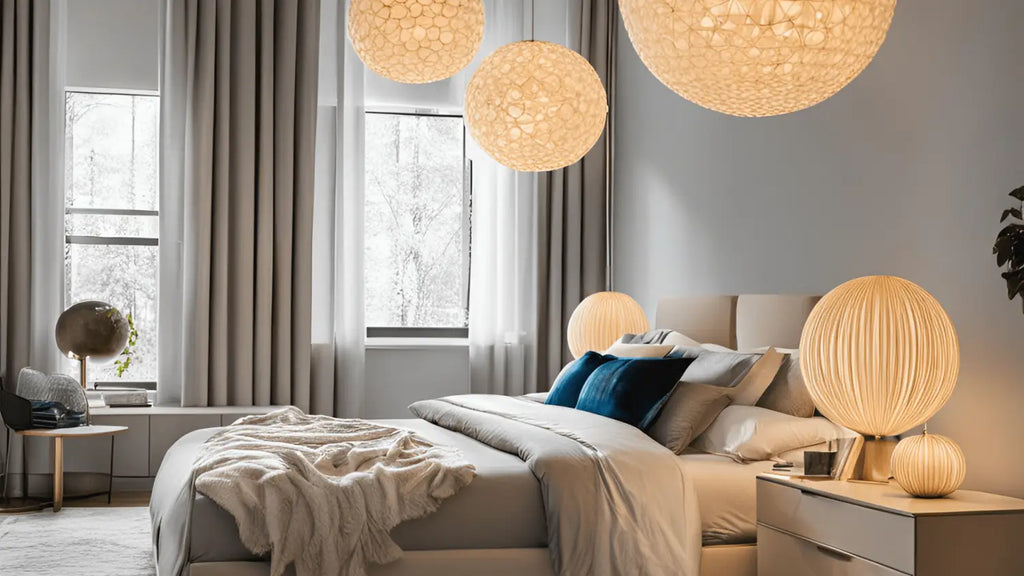
A paper pendant light is a light fixture hung from the ceiling by a cable, whose paper shade softens the bulb and immediately spreads a gentle light through the room. It stands apart among our pendant lights: its delicate design creates a pleasant, almost dreamlike atmosphere, in a contemporary interior as well as in a more traditional setting.
At Lustria, this type of pendant light is considered not only a lighting object but also a true decorative work of art, a ready-made idea for creating a harmonious atmosphere in a bedroom, a dining room or a living room.
The light filtered through white paper, beige paper or papier-mâché gives a round, airy effect that transforms the space. These light fixtures exist for every budget, from the small affordable model to the larger or more modern one, so you can match your purchase to your means as well as to the size of your home.
Why choose a paper pendant light for your home?

A paper pendant light provides a soft interior lighting that accompanies every moment of the day, from morning to bedtime. It brings a delicate mood to the bedroom, a warm touch to the living room and a soothing effect above the table, where a paper dining room pendant light brings the guests together.
In a child's bedroom, its subdued light creates a tender, comfortable setting, as our pendant lights for children do, provided the shade and the cable stay out of reach of small children. In a studio, a small round pendant light helps structure the space without weighing down the furniture. It is also a light fixture of little weight, whose adjustable cable lets you set the height.
Paper also lends itself to a wide variety of styles. You will find designer pendant lights, Scandinavian pendant lights in rice paper, Japanese pendant lights such as the famous Japanese ball, bohemian models in braided paper rope, vintage pendant lights in crumpled paper or even modern creations in spun paper, depending on the product pages. The clean style is particularly appreciated in interiors where a soft decor that lets the space breathe is wanted.
The different shapes and styles of paper pendant lights
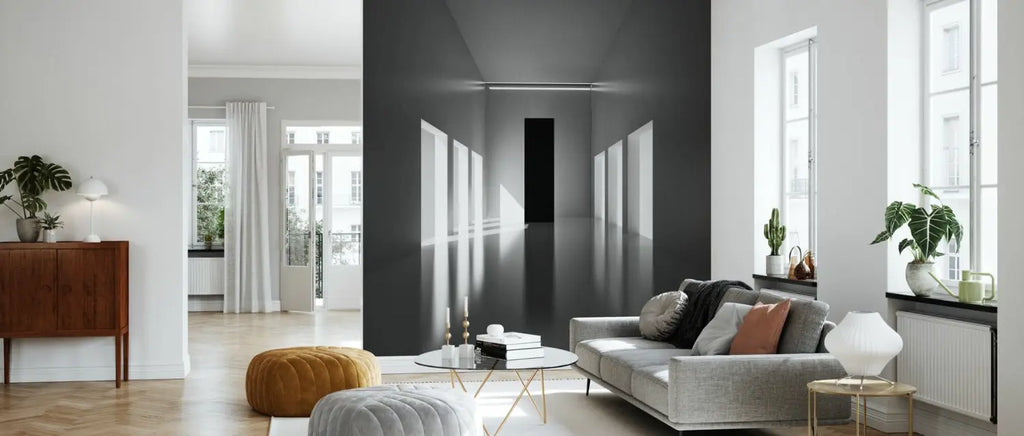
The paper ball remains one of the most popular models. Its round shape brings a poetic, balanced touch to the decor, and it comes in large or small sizes, depending on the diameter you want. It is also known as a ball pendant light or a paper lantern, and some very light models almost resemble a decorative mobile.
Other models play with the material, such as the papier-mâché pendant light, whose texture brings a tactile presence to the room. Its volumes can evoke a flower or an origami star, a simple cultural inspiration, turned toward the art of form, that we owe to the designers who sculpt paper.
You will also find pendant lights in natural rope or paper rope, which bring a bohemian touch, as well as pendant lights in braided paper, for a vacation-home effect close to that of a rattan pendant light. The pendant light then becomes a decorative object in its own right, which is sometimes matched with a wall sconce, a paper floor lamp or a table lamp to create a coherent set.
How to choose your pendant light

To choose your pendant light, first look at the space where it will be installed. A large pendant light is ideal in a living room with a high ceiling, whereas a small pendant light suits a bedroom or a kitchen perfectly. This type of light fixture comes in different ranges, some with an adjustable cable, an integrated ceiling canopy or gold details. Some models are even offered with integrated LED, which improves the lighting, depending on the product pages.
| Room | Recommended model | Installation tip |
|---|---|---|
| Living room with a high ceiling | Large ball or wide model | In the center of the room or above the conversation area |
| Dining room | Pendant light centered over the table | 75 to 90 cm between the bottom of the pendant light and the tabletop |
| Bedroom, office or studio | Small round pendant light | Soft light, without crowding the space |
| Kitchen | Short model | Away from steam and direct humidity |
| Low ceiling | Flat or oval shape | Mounting close to the ceiling |
When searching online, it is important to check carefully the quality of the product, the material of the paper and the availability of the model. At Lustria, each product page details the material, the dimensions and the compatible bulb type, so that you can compare the pendant lights with one another before you decide.
The paper pendant light as a sensory experience
The paper pendant light does more than give light: it brings a sensation, a visual touch, almost a movement. When it sways slightly, it recalls a Japanese lantern hung outside on a mild evening, in the manner of our Japanese lamps, even though it remains an indoor light fixture. This link between the home and nature creates a peaceful art of living, and the light spreads with the rhythm of day and evening, until it gives the room the look of a sunset.
Paper, whether rice, beige, white or papier-mâché, changes the perception of light. The atmosphere becomes soft, enveloping and soothing, almost like a suspended mobile that follows the rhythm of breathing.
Installation and care
A paper pendant light is lightweight, but installing it remains an electrical job: fixing the ceiling canopy and making the connection should be entrusted to a qualified electrician, after which all that remains is to adjust the height of the cable and put the shade in place. Use only an LED bulb, which gives off little heat, without exceeding the maximum power indicated on the product page, and make sure it never touches the paper.
Cleaning is simple: a feather duster is enough most of the time. For more thorough care, neither water, nor harsh products, nor even less a pressure washer or wood paint are suitable: simply take care of the material. Durability over time depends on use, but a well-treated pendant light accompanies the evolution of your decor for a long time.
Frequently asked questions about paper pendant lights

How do I choose the right size of paper pendant light for my room?
The size is chosen in proportion to the room, as it directly affects the visual balance. In a living room or dining room with a high ceiling, a wide or large-diameter model brings volume and dresses the space, whereas in a bedroom, an office or a studio, a smaller pendant light keeps a soft mood without crowding.
A simple rule is to match the diameter of the light fixture to the floor area of the room: the larger the space, the more imposing the pendant light can be. Also consider the positioning, as a pendant light placed too close to the ceiling or too low changes the perception of the light.
Does a paper pendant light give a light soft enough for a bedroom or a child's bedroom?
Yes, a paper pendant light generally gives a soft light, well suited to rest rooms such as the bedroom or the child's bedroom. The paper filters the lighting and avoids overly marked shadows, which creates the calm mood expected of a bedroom pendant light.
This light fixture is particularly appreciated for setting a warm atmosphere at bedtime or while reading. A dimmable LED bulb lets you adjust the intensity: brighter during the day, subdued in the evening. In a child's bedroom, the light fixture is hung out of reach of small children.
What is the difference between a rice paper, papier-mâché and braided paper pendant light?
The difference lies in the texture and the effect produced. Rice paper is light and translucent, and gives a delicate lighting, much appreciated in natural or Japandi interiors. Papier-mâché brings texture, a more sculptural shape and a more pronounced decorative presence. Braided paper has a natural look, close to plant fiber, perfect for a bohemian or warm mood.
The choice depends on the effect you are after: soft and minimalist, textured and artistic, or natural and warm. These three materials offer varied styles, while remaining affordable and easy to fit into an existing decor.
Where should I install a paper pendant light to create a warm atmosphere in the living room or dining room?
In the living room, install it above the conversation area or in the center of the room, to spread the light evenly, like any living room pendant light. In the dining room, it belongs above the table, at a height that lights well without causing glare: the usual guideline is 75 to 90 cm between the bottom of the pendant light and the tabletop.
A paper pendant light brings a soft and welcoming atmosphere, ideal for moments of sharing. It combines very well with natural materials such as wood, rattan or linen, which reinforces the feeling of comfort.
Is a paper pendant light suited to a modern, Scandinavian or bohemian decor?
Yes, the paper pendant light is very versatile and adapts to many decorative styles. In a modern decor, clean shapes and neutral colors create a contemporary mood. In a Scandinavian interior, it naturally pairs with light wood and soft lines.
Finally, in a bohemian mood, braided models or those inspired by origami add personality and a touch of authenticity. The key is to choose a shape and a texture in keeping with the materials and colors already present in the room.
How do I easily install a paper pendant light with an adjustable cable?
The simplest and safest way is to entrust the installation to a qualified electrician: even if the light fixture is lightweight, the ceiling canopy must be fixed to the ceiling and the electrical cable connected. The height is then adjusted according to how the room is used, the adjustable cable making it possible to adapt the pendant light to the ceiling height or to the table to be lit.
It is recommended to have the nature of the support checked before any drilling and to follow the installation instructions of the light fixture. For a more attractive installation, a fabric cable or a rope adds an extra decorative touch.
How do I care for and clean a paper shade without damaging it?
Gently and always dry: a feather duster, a dry cloth or a cold-air blower is enough to remove dust. Avoid water, liquid products and harsh cleaning, which can deform or stain the material.
For papier-mâché pendant lights, a light dusting is generally enough. Regular care, with the light fixture switched off, preserves the quality of the light as well as the look of the material over time.
Is a paper pendant light durable despite its lightness?
Yes, a paper pendant light keeps well when used in good conditions. Materials such as rice paper, braided paper or papier-mâché are often reinforced with fibers, which give them a satisfactory durability. It is nevertheless advisable to avoid prolonged exposure to humidity or to a direct heat source.
In a stable, dry environment, the pendant light easily keeps its shape, its brightness and its texture. It is therefore reserved for dry rooms: in a bathroom, standard NF C 15-100 requires a light fixture suited to the safety zones, with an IP44 rating at minimum.
How do I combine a paper pendant light with other light fixtures such as a wall sconce or a floor lamp?
By combining several light sources, to obtain a coherent lighting ambiance. The paper pendant light provides soft main lighting, while a wall sconce, also installed by a qualified electrician, or a floor lamp, simply plugged into an outlet, completes the whole by creating secondary zones of light.
Coherence comes down to materials and volumes: wood, linen, opal glass or lightweight metal go harmoniously with a paper pendant light, as does a paper lamp placed on a piece of furniture. The whole composes a balanced and warm atmosphere.
Can a paper pendant light be used in a kitchen or in a space with a lower ceiling?
Yes, it is perfectly possible to use a paper pendant light in a kitchen or under a low ceiling, provided you adapt the mounting height. A short pendant light, or one placed slightly closer to the ceiling, avoids visual clutter.
In the kitchen, install it away from areas of steam or direct humidity, a precaution that applies to any kitchen pendant light with a fragile shade. Under a low ceiling, flat or oval shapes are often better suited than very bulky models.