





Incandescent floor lamp: between retro charm and authentic light
Key takeaways:
- An incandescent floor lamp is a freestanding light fixture designed for a filament bulb, giving a warm light of around 2700 K.
- Classic incandescent bulbs were withdrawn from sale in Europe between 2009 and 2012: filament LED bulbs reproduce their look.
- A filament LED gives the same warm light while consuming far less and lasting far longer than a classic bulb.
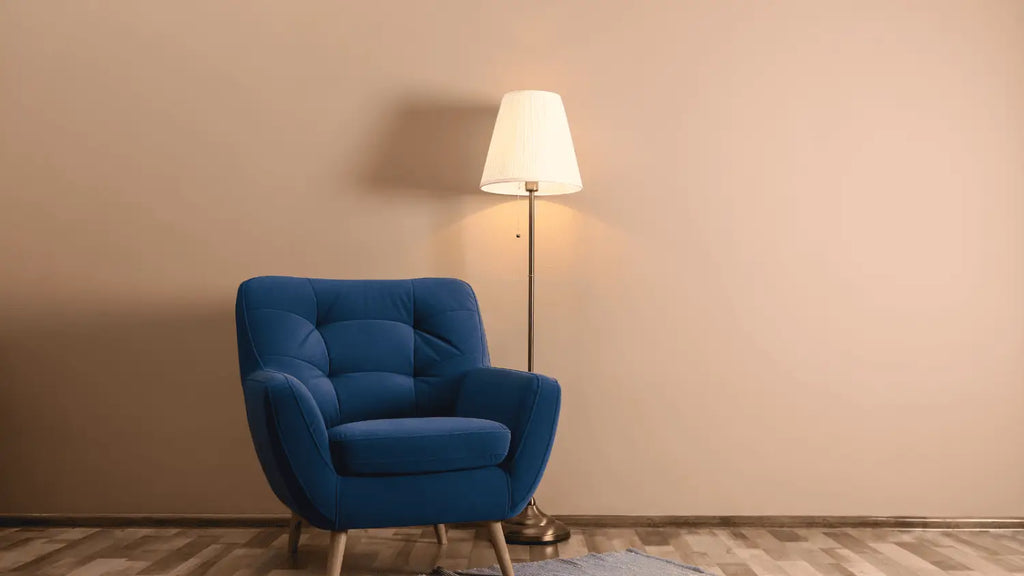
An incandescent floor lamp is a freestanding light fixture designed for a filament bulb. Elegant and timeless, it rests on a stable base, at a height suited to any interior. In black, wood or metal, it combines vintage charm with modern comfort. Its filament bulb gives a warm, natural light.
This iconic object, born in the nineteenth century, now comes with filament LED bulbs. Lustria offers a complete range on its website.
Understanding the incandescent floor lamp: a timeless symbol of lighting
Definition and operating principle
An incandescent lamp is an electrical device that works with a tungsten filament, heated in a vacuum or in a noble gas such as argon or krypton. When current passes through it, the filament emits a bright, warm light.
The principle relies on turning electricity into heat, which produces a pleasant visible light. The glass of the bulb protects the filament from oxidation. This warm white light remains highly appreciated, in living rooms and bedrooms alike.
Key technical characteristics
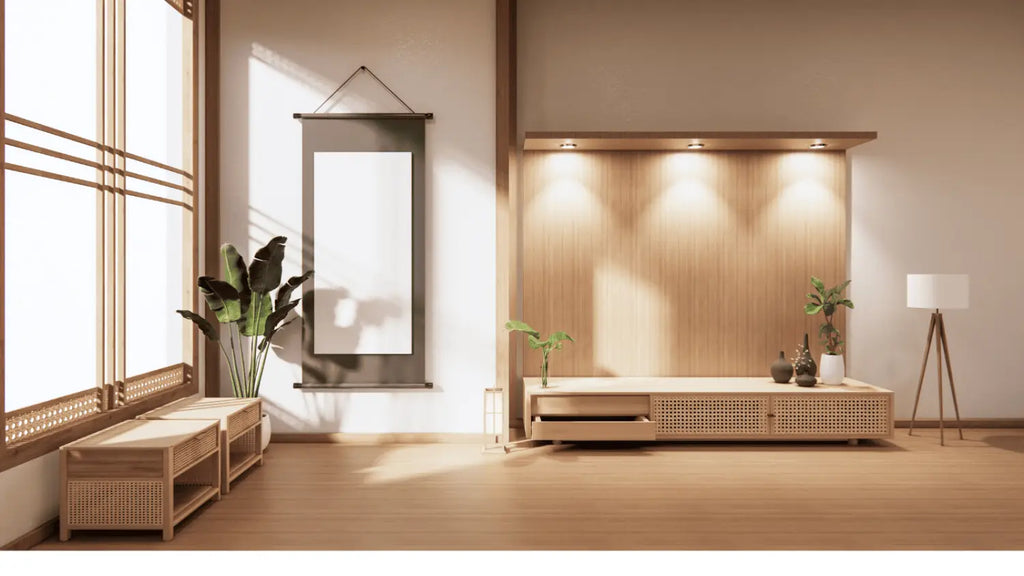
Incandescent floor lamps come in many finishes and sizes. Their wood or aluminum base has a classic, refined look. Their height generally ranges from 120 to 180 cm, to spread the light well throughout the room. The diffuser, in glass or fabric, distributes a soft, even light.
Some models have a foot switch, very practical in daily use. A classic incandescent bulb used 40 to 100 W, and lasted much less time than an LED.
A brief history of the incandescent bulb
The history of the incandescent bulb begins in the late nineteenth century. The carbon filament was later replaced by tungsten, which is more resistant. In the twentieth century, the floor lamp became a decorative and practical object, found in every home.
From September 1, 2009, European regulations gradually withdrew classic incandescent bulbs from sale, until 2012. Today's models keep the design of these floor lamps, with filament LED bulbs. To compare bulb types, see the ADEME guide.
The advantages and limits of incandescence
A warm, natural light
This living room floor lamp gives off a soft, enveloping light, ideal for a restful atmosphere. With a color temperature of around 2700 K, it renders colors faithfully. Its even beam is appreciated for visual comfort.
This light is very pleasant for reading or relaxing. Discover our warm light floor lamps.
The known drawbacks
The incandescent bulb has its limits. Its lifespan is shorter than that of recent technologies. It gets very hot: most of the electricity is turned into heat, not light.
Its glass envelope is also fragile. These limits explain the shift to LED bulbs, which are more economical and more durable, and the success of LED floor lamps.
| Criterion | Classic incandescent bulb | Filament LED bulb |
|---|---|---|
| Light | Warm, around 2700 K | Warm, similar look |
| Consumption | High, 40 to 100 W | Low |
| Lifespan | Short | Much longer |
| Sale in Europe | Withdrawn between 2009 and 2012 | Available |
Why does incandescence still appeal?
Many people remain attached to its natural light and its classic design. The classic floor lamp, with a solid wood base, is appreciated for its elegant look.
The main reason lies in the quality of the light and the emotion it evokes. Filament LED bulbs recapture this typical warm white tone.
How to choose your incandescent floor lamp today
Styles and materials for every interior
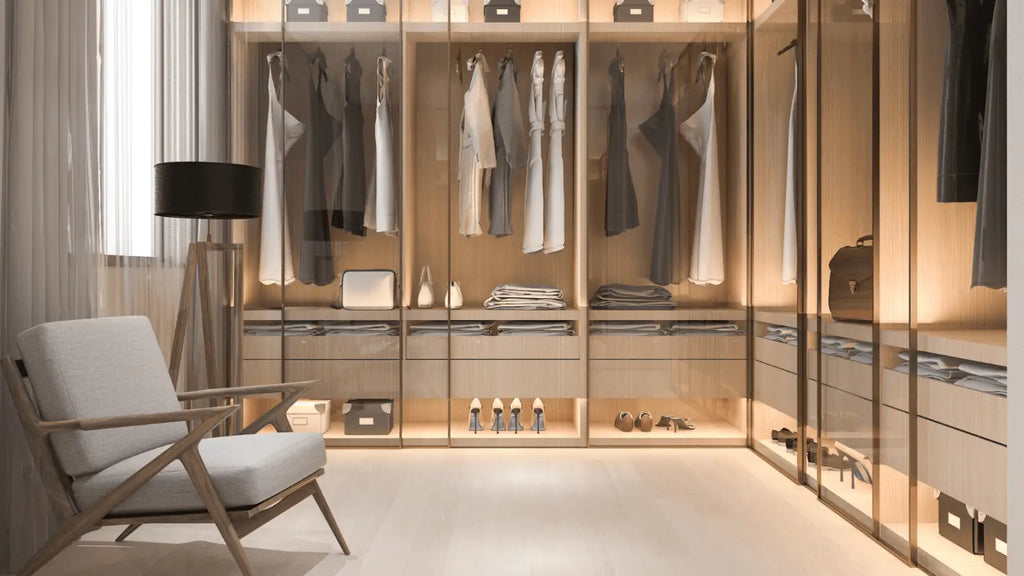
Floor lamps come in many shapes and materials. A classic black metal model is perfect in an industrial space, while a wood base suits a Scandinavian interior better.
In a living room or bedroom, models with a glass diffuser or a plain fabric shade give a balanced result. Discover our industrial floor lamps and Scandinavian ones.
Selection criteria
Before buying, look at the height, the cable length, the base and the shape of the stand, which affect stability and aesthetics. Check the base and the maximum bulb wattage indicated.
Some models have a foot switch. The price depends on the model, the material and the finish: it is shown on each product page.
Modern alternatives: between tradition and innovation
Today's floor lamps combine tradition and innovation. Some include an adjustable light source and a dimmer, compatible with dimmable LEDs, to adjust the light as needed.
They combine the classic design of yesterday with today's technology. Discover our dimmable floor lamps and LED ones.
The incandescent floor lamp, an emotional object made to last
The appeal of warm light
The light of an incandescent floor lamp plays on perception and emotions. Close to that of a flame, it invites relaxation and offers great visual comfort.
That is probably why it has remained popular for over a century.
Maintaining your floor lamp and making it last
A well-maintained floor lamp lasts a long time. You can replace the shade and change the bulb, with the lamp switched off and cooled down.
Do not touch the electrical part: in case of a fault, contact our customer service.
The slow design spirit
Choosing an incandescent floor lamp means opting for a touch of history, in a slow design spirit. Often made of wood and glass, these floor lamps stand out for their soft light and aesthetic appeal.
They bring a touch that is both modern and classic to your interior.
The return to essential light
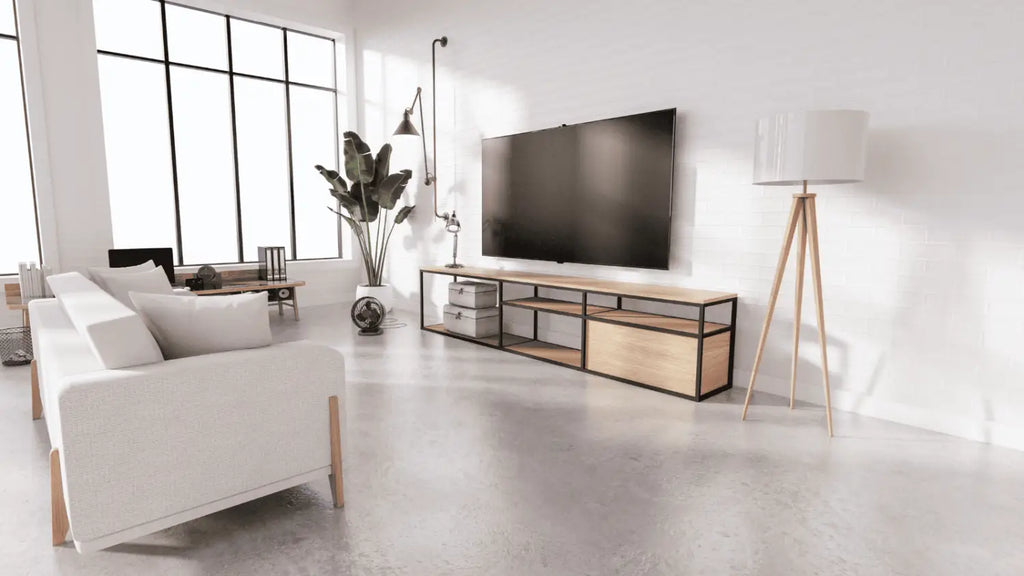
The incandescent floor lamp symbolizes the return to the fundamentals of lighting. It combines warm light, beauty and classic design.
It is an object that keeps all its charm, between past and present. Also discover our vintage floor lamps.
Frequently asked questions about incandescent floor lamps

What is the difference between an incandescent floor lamp and a halogen floor lamp?
The technology. The incandescent bulb heats a tungsten filament in an inert gas. The halogen bulb also contains a halogen gas, which improves light emission.
Halogen light is whiter and brighter. Incandescence remains appreciated for its soft light. Discover our halogen floor lamps.
How does an incandescent bulb work?
An electric current passes through a tungsten filament, placed in a bulb filled with inert gas or under vacuum. The filament heats to over 2000 °C, becomes incandescent and emits light.
The glass of the bulb prevents the filament from oxidizing. This simple principle dates from the nineteenth century.
What is the lifespan of an incandescent bulb?
It was short for a classic bulb, and varied according to its quality, the voltage and how often it was used.
A filament LED bulb lasts much longer: its lifespan is shown on the packaging.
What wattage for a soft, warm light?
With a classic bulb, you needed 40 to 75 watts: 40 W for ambient light, 75 W for brighter lighting.
With an LED, think in lumens: around 470 lumens for the equivalent of a 40 W, around 1050 lumens for the equivalent of a 75 W. Check the base before installing the bulb.
Aluminum, glass or wood: which material to choose?
Aluminum is appreciated for its lightness and durability, ideal in a modern interior. Glass brings an elegant touch and diffuses light well, as on a glass floor lamp.
Wood creates a natural, warm atmosphere, perfect in a cozy living room. Discover our wooden floor lamps.
What color temperature for a living room or bedroom?
Around 2700 kelvins. This is warm white, a slightly golden light, which creates a welcoming and restful atmosphere.
It highlights the natural tones of the furniture.
Why does the incandescent bulb remain appreciated?
For its natural, warm light. Its color rendering is excellent, with an index close to 100, which brings out objects and textures.
Its classic design and golden glow also evoke a certain nostalgia. LEDs are more economical, and filament models reproduce the look.
What technical criteria should you check before buying?
The height of the stand, its stability and the type of base. The maximum bulb wattage also matters, for safety.
The material, the color of the diffuser and the overall design affect the atmosphere of the room.
How do you maintain an incandescent floor lamp?
Dust the shade and the base regularly, with the lamp switched off and cooled down.
Use quality bulbs, within the indicated wattage limit, and switch the lamp off when you are not using it.
Can an incandescent floor lamp serve as main lighting?
Yes, provided you choose a luminous flux suited to the size of the room. In a living room, you need the equivalent of a classic bulb of 75 to 100 watts.
For a better balance, complete it with other light sources, such as a table lamp or a filament wall sconce, to be found among all our filament bulb light fixtures.